Overview
Although my focus is on digital product design, my automotive design background gives me the ability to rapidly sketch, model, prototype, and iterate across multiple directions while thinking conceptually.
Although my focus is on digital product design, my automotive design background gives me the ability to rapidly sketch, model, prototype, and iterate across multiple directions while thinking conceptually.
VW Baja
Racer
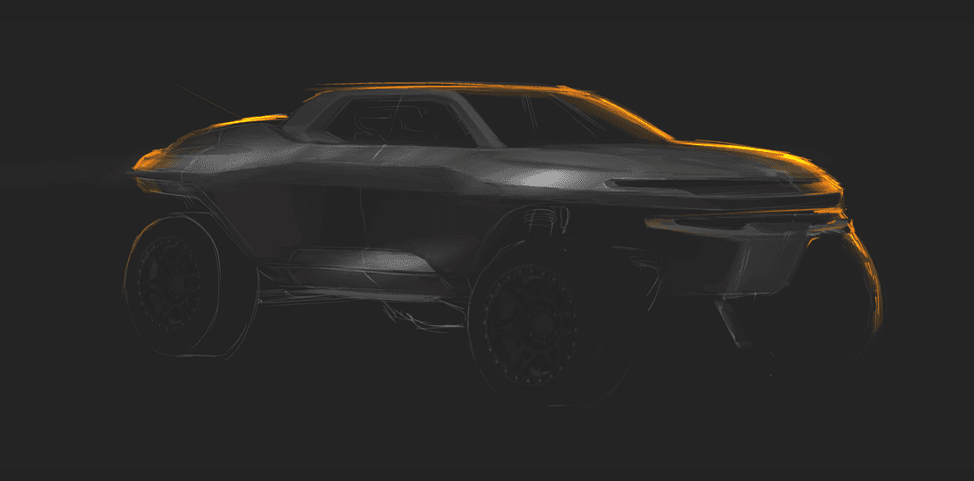
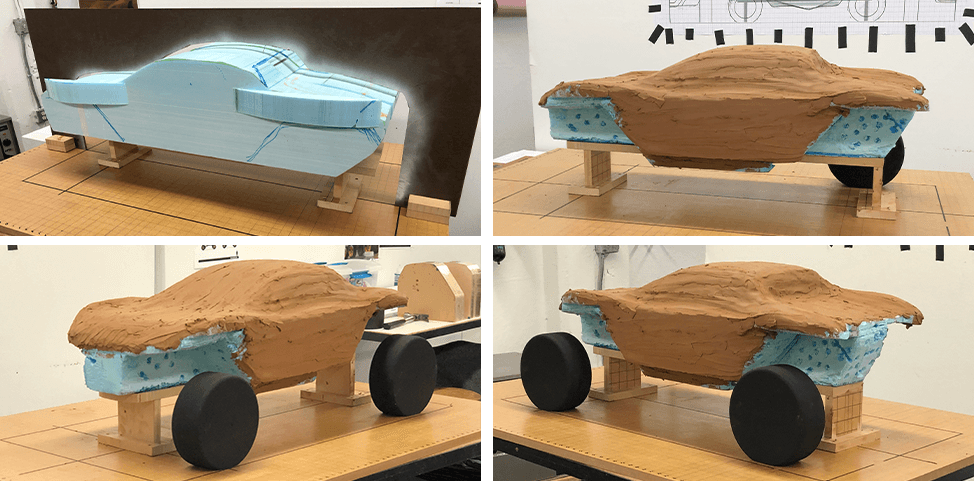
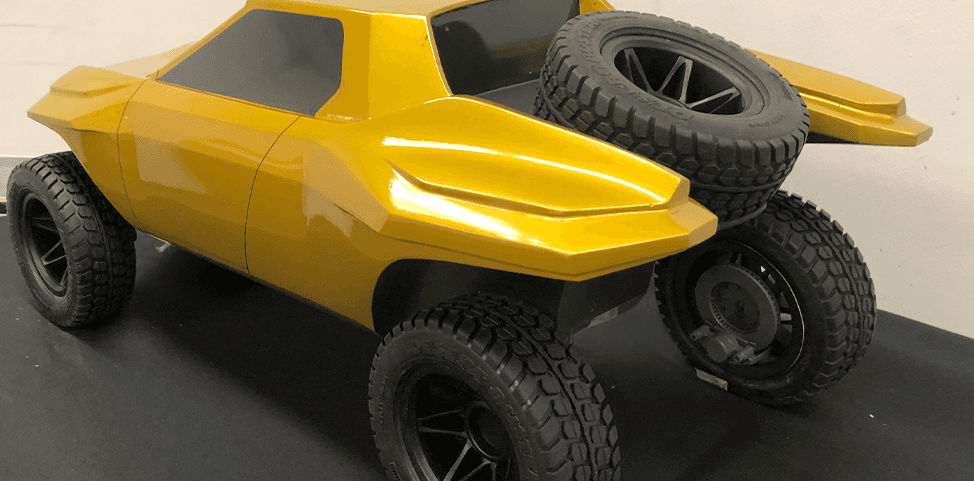
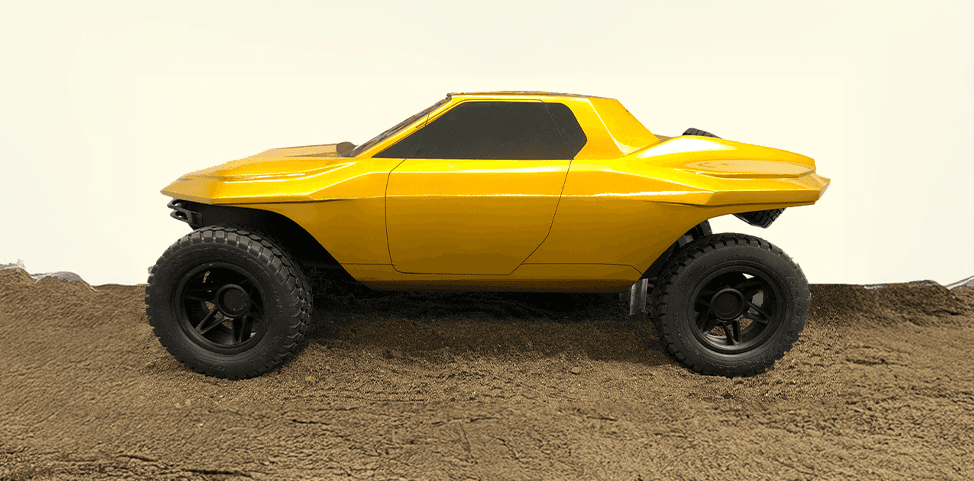
Unlike traditional digital-only concept work, this Baja racer project was grounded in model making and iterative prototyping. Early sketches helped establish direction, but the final form was discovered through building—sculpting, testing, and refining components in real space.
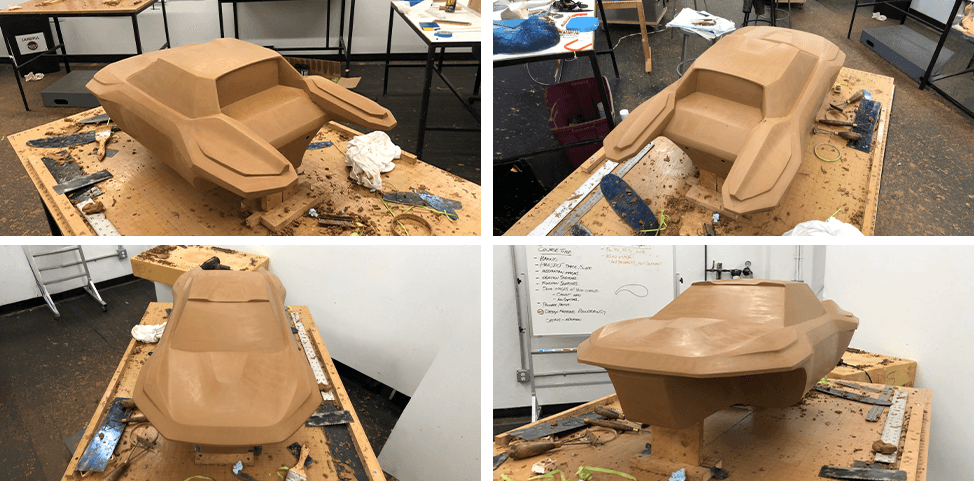
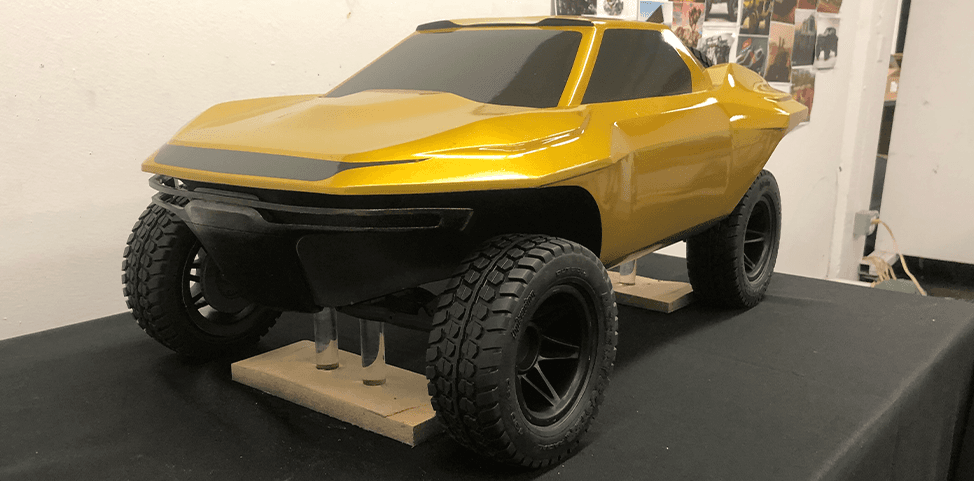
I used 3D scanning, modeling, and printing to produce the model, mixing custom parts with open-source components. And unlike digital renders where you can hide or cheat details, the physical build demanded precise measurements and accuracy. The final form emerged from this tight integration of digital tools and real-world craftsmanship.
Model & 3D
Components
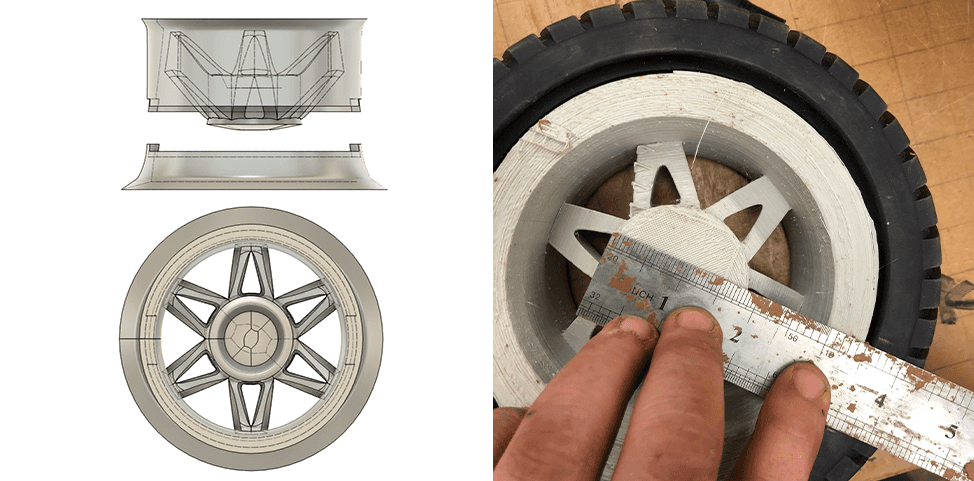
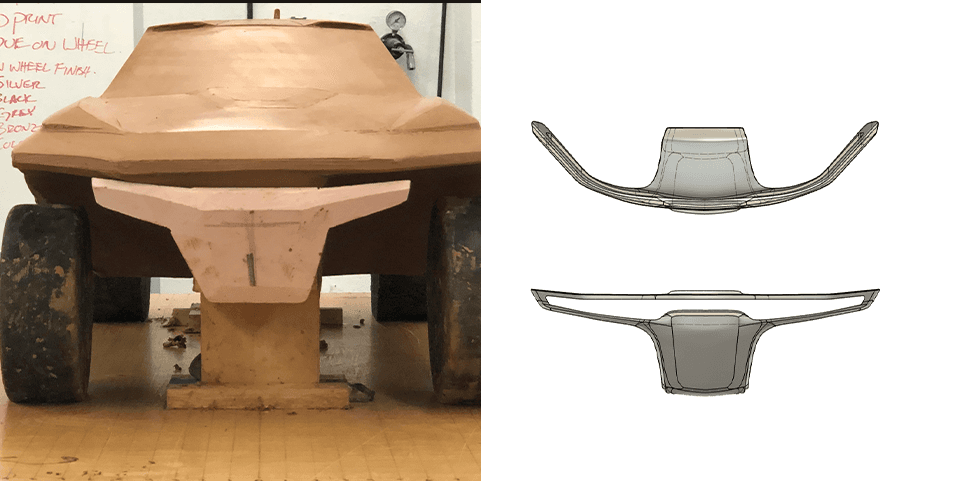
3D prototyping allowed me to refine the smaller details that bring the model to life. Rapid printing meant fast iteration, hands-on testing, and precise adjustments that clay alone can’t deliver. By integrating 3D scanning to lock in proportions, each printed component fit seamlessly into the overall structure.
VW Baja
Racer
Unlike traditional digital-only concept work, this Baja racer project was grounded in model making and iterative prototyping. Early sketches helped establish direction, but the final form was discovered through building—sculpting, testing, and refining components in real space.
I used 3D scanning, modeling, and printing to produce the model, mixing custom parts with open-source components. And unlike digital renders where you can hide or cheat details, the physical build demanded precise measurements and accuracy. The final form emerged from this tight integration of digital tools and real-world craftsmanship.
Model & 3D
Components
3D prototyping allowed me to refine the smaller details that bring the model to life. Rapid printing meant fast iteration, hands-on testing, and precise adjustments that clay alone can’t deliver. By integrating 3D scanning to lock in proportions, each printed component fit seamlessly into the overall structure.
Infinity Autonomous
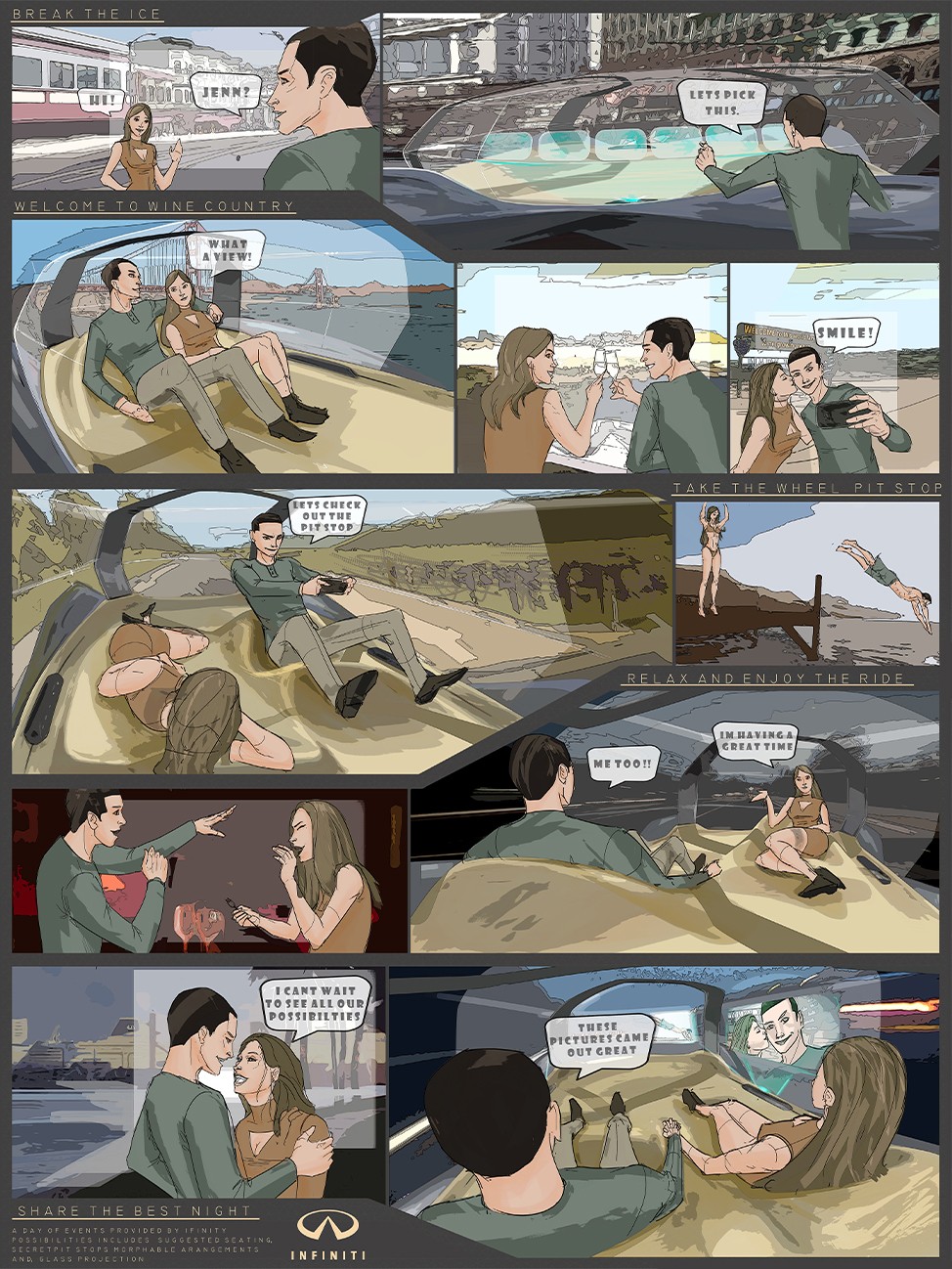
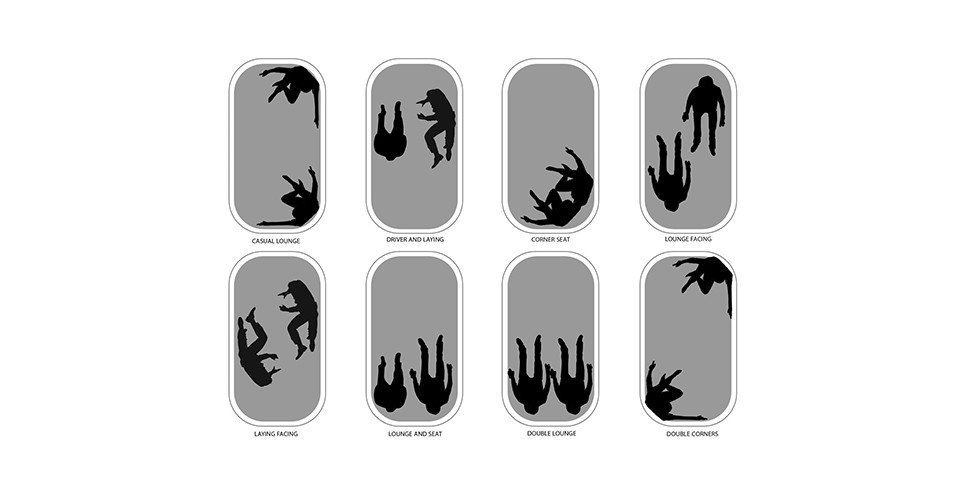
This project explored what full autonomy could mean for the future of vehicle ownership. Instead of a personal possession, the concept imagines a Level 5 vehicle as a shared, experience-driven tool—something people match with for events or activities. At the center is a morphable interior floor that adapts to whatever the moment requires.
I began by storyboarding the user journey to understand how people would move, interact, and reposition themselves within the space. That foundation helped define initial seating layouts and interaction zones.
3D Iteration
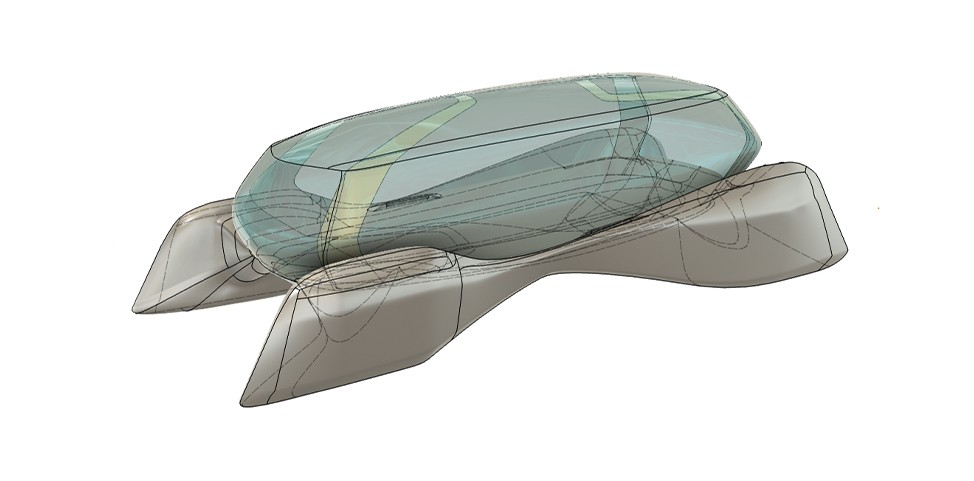
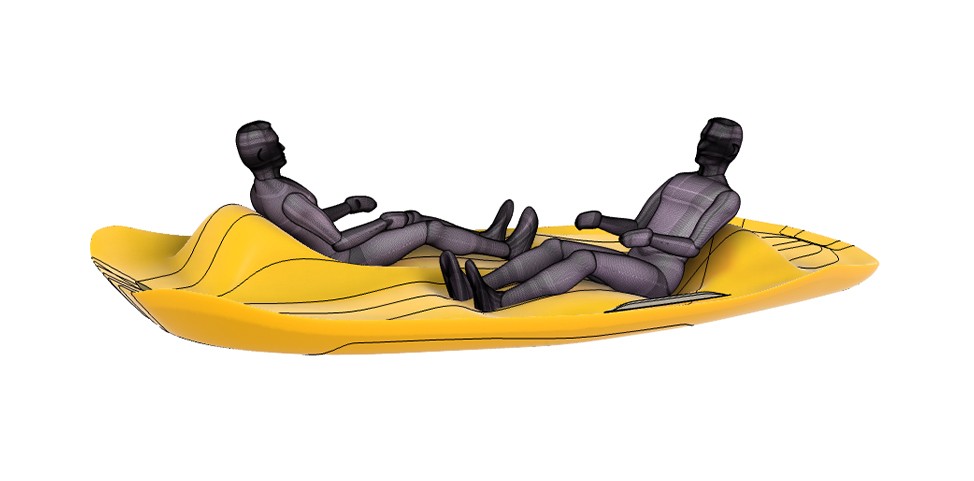
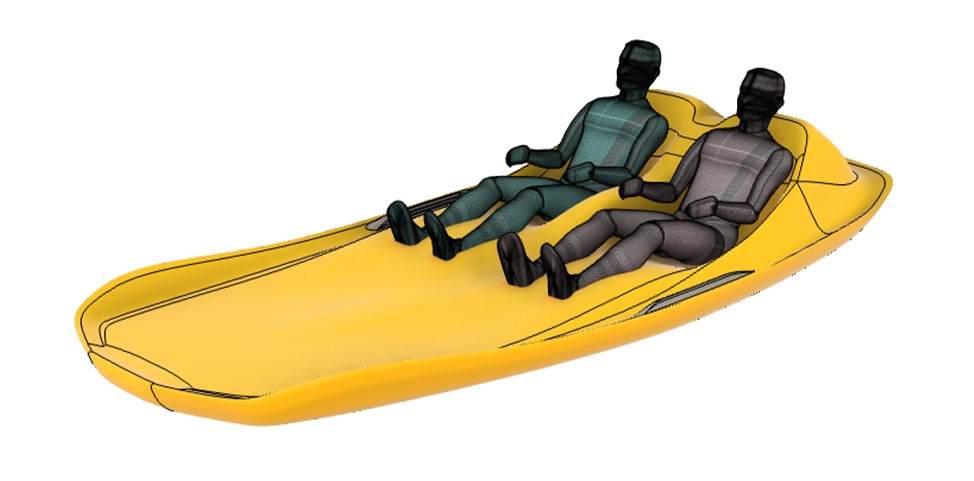
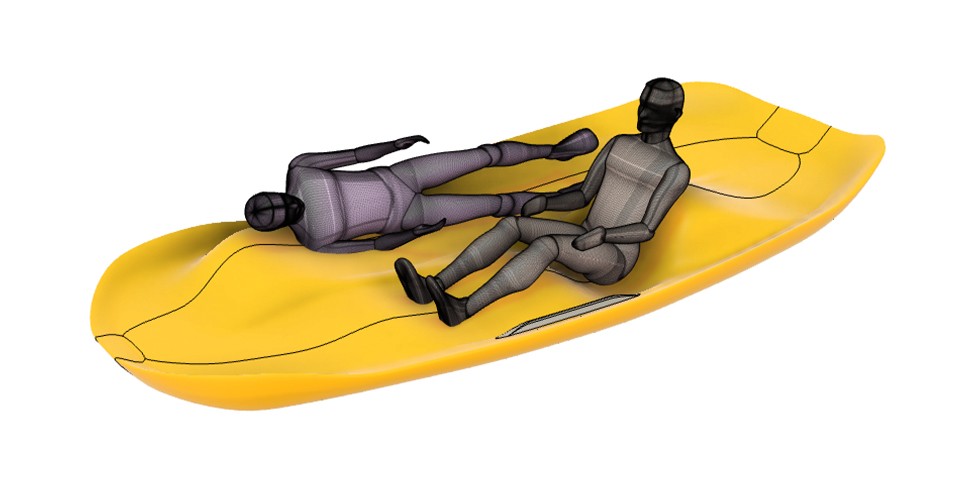
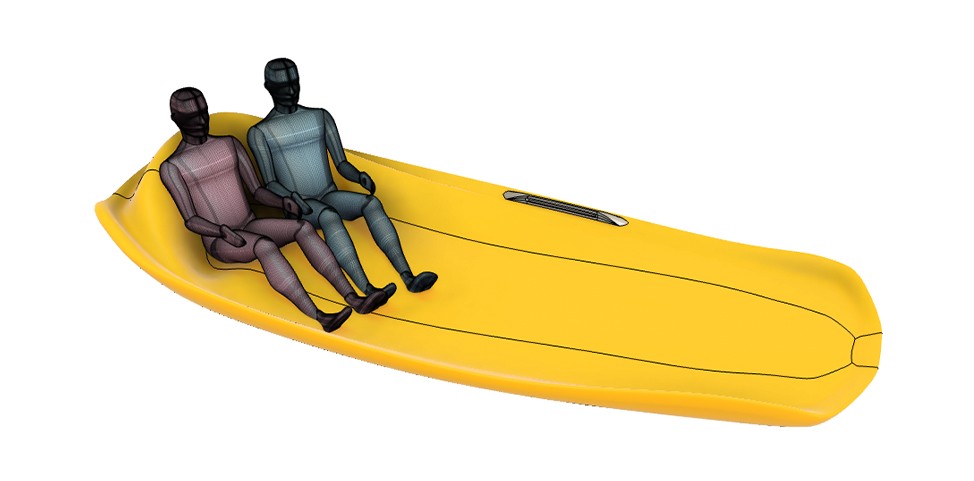
I used rapid 3D modeling to test use cases, refine spatial configurations, and visualize how the interior could shift in real time. Building these scenarios in 3D made it easier to experiment with different seating layouts, interaction zones, and floor morphing patterns. It also revealed opportunities—like unexpected social configurations or shared-use behaviors—that wouldn’t surface through sketching alone
Volvo Adventure Wagon
The Volvo Atlantic reimagines long-distance travel by pairing Level 4 autonomy with a space built for social interaction and comfort. Designed for Norway’s rugged terrain, it gives passengers a sense of exploration without the stress—making the journey as meaningful as the destination.
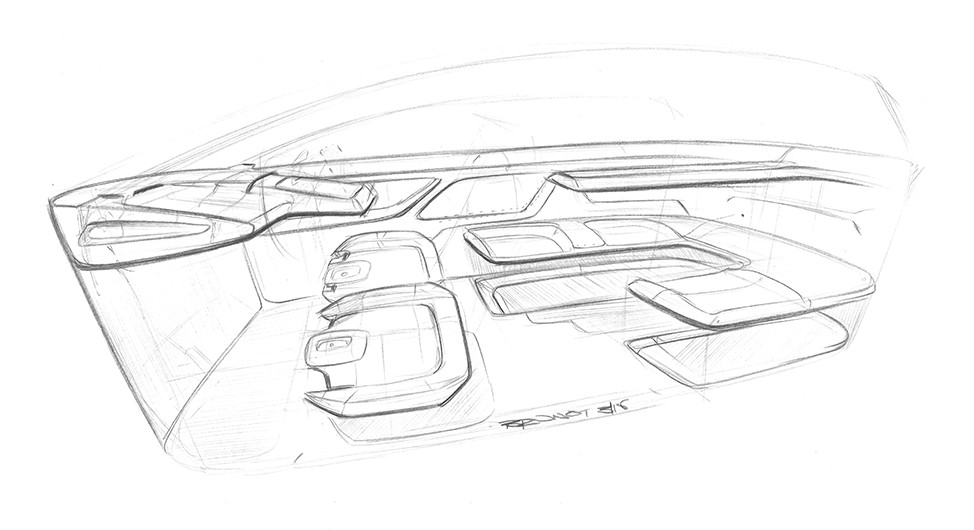
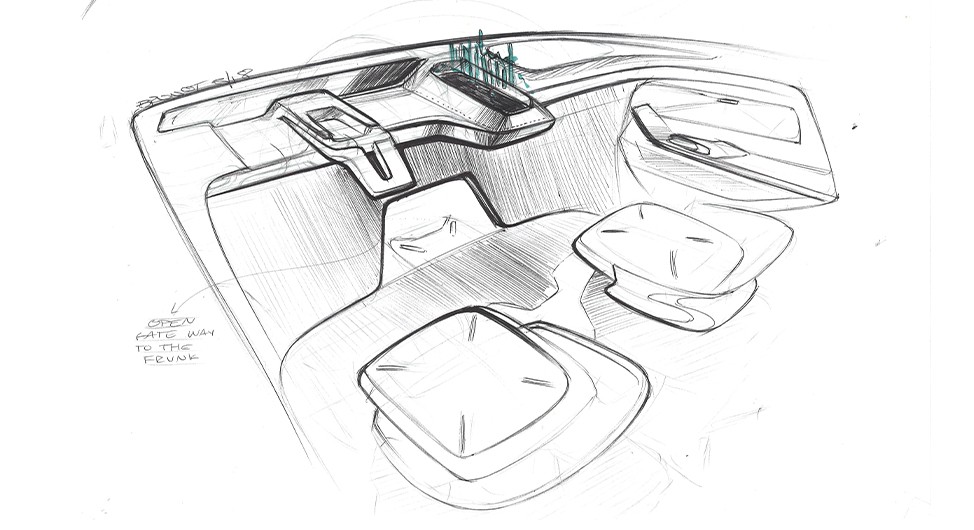
I began with loose concept sketches to explore the space, understand what was realistically possible, and identify which ideas pushed into pure fantasy—ultimately shaping an experience that fits the vision.
3D Modeling & Prototyping
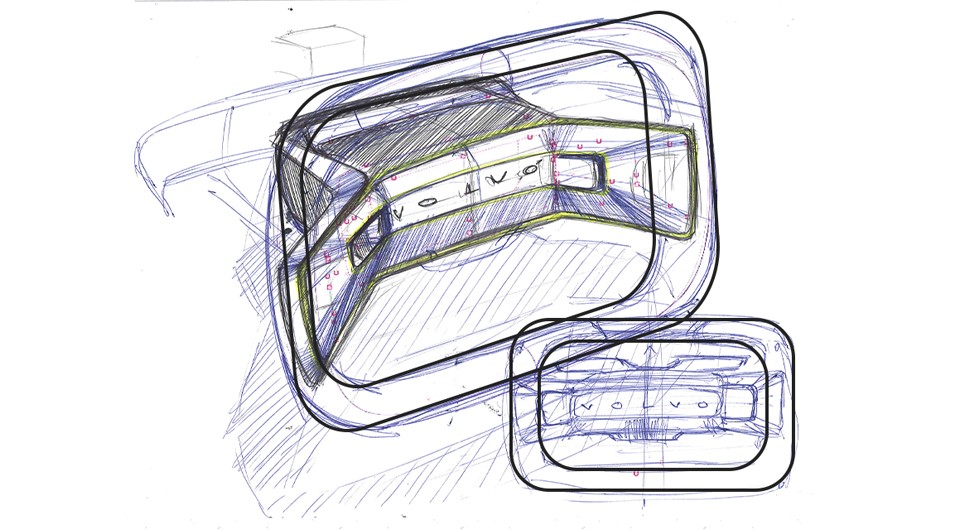
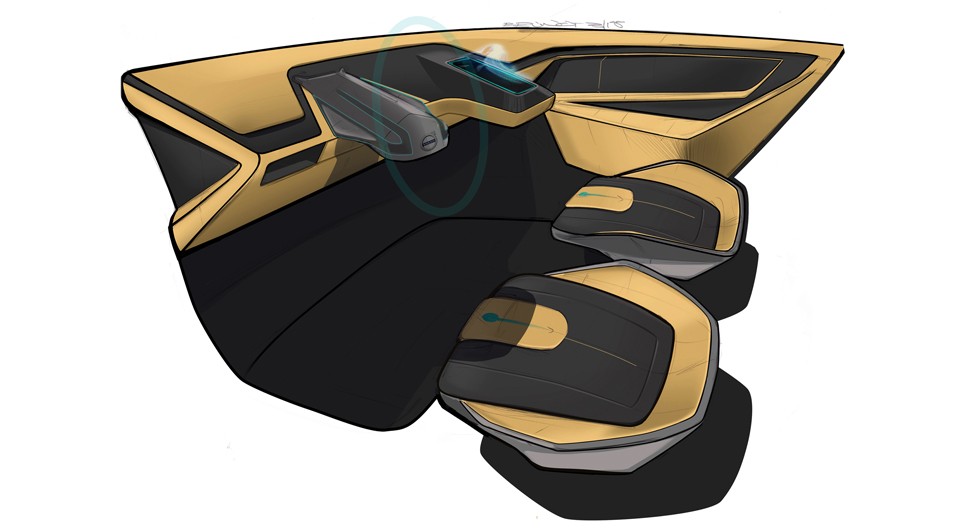
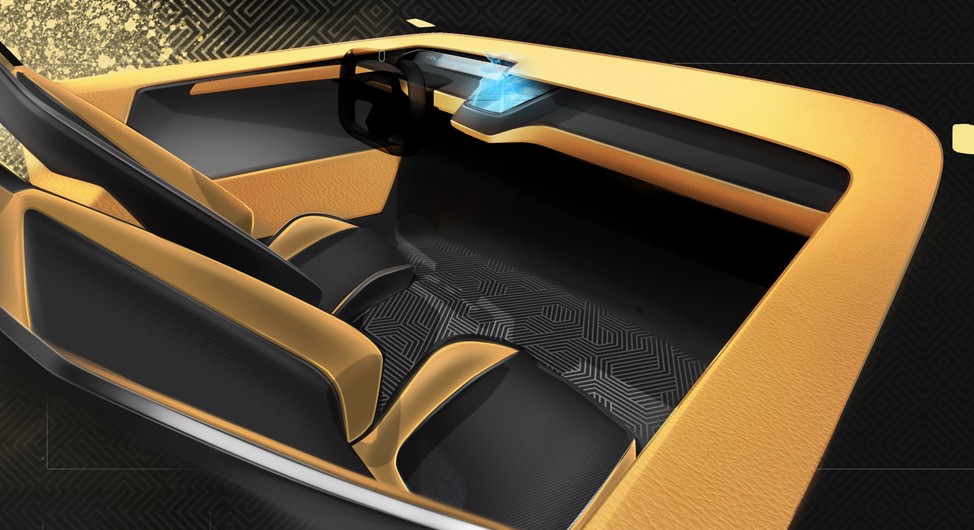
Building on loose sketches, I refined the concept by exploring the form, proportions, and interior architecture—setting a clear visual direction and blueprint for the move into 3D.
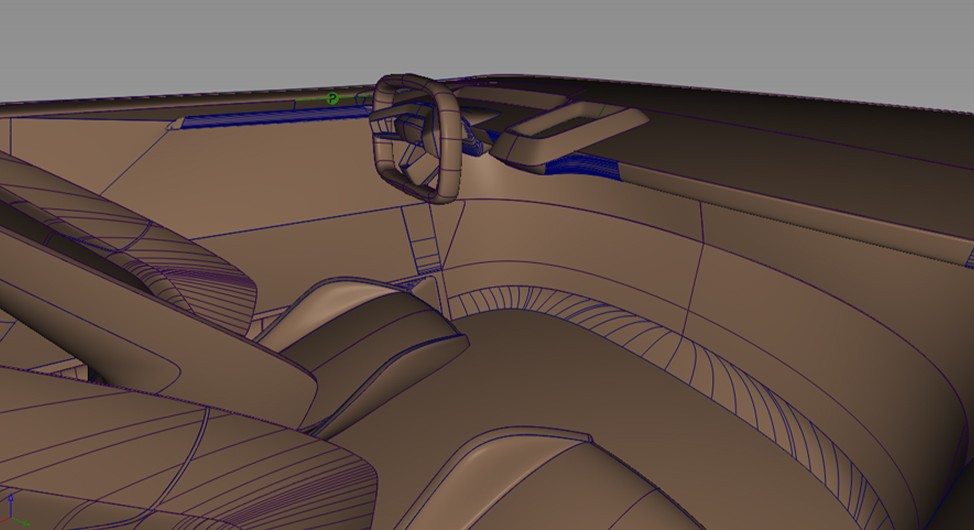
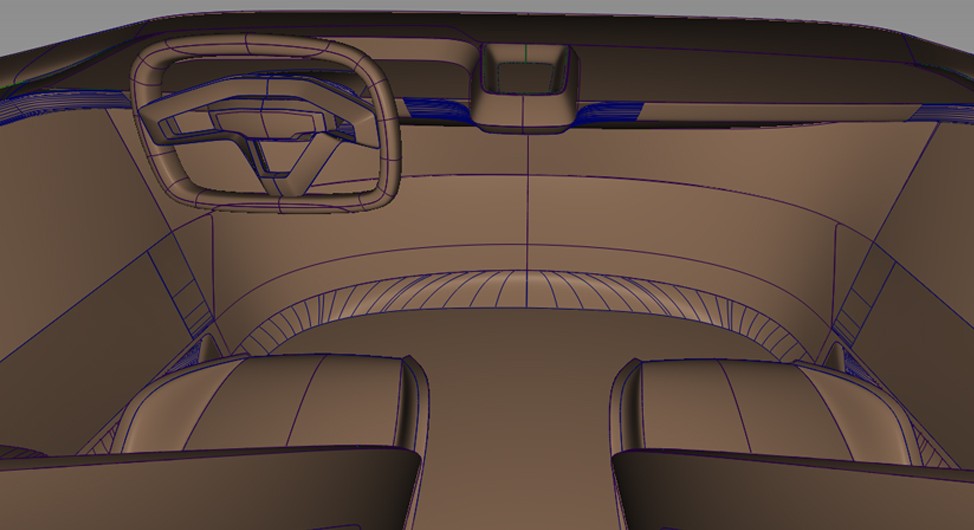
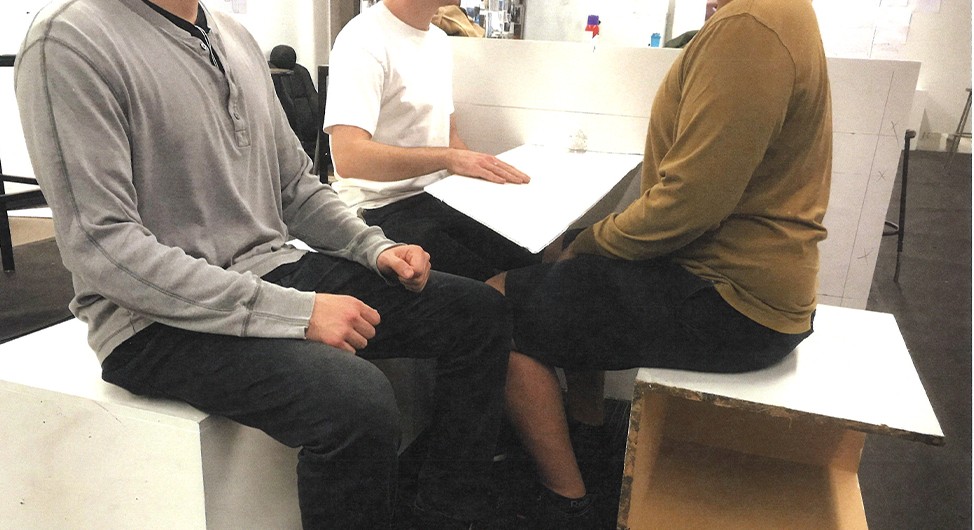
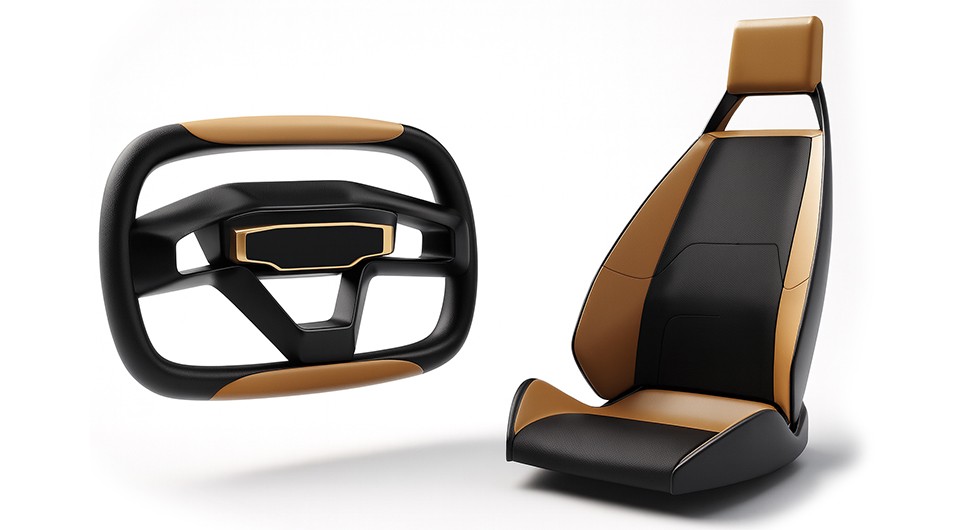
Once in 3D, I developed the interior at a component level, defining seating themes, touch points, and control layouts. This stage enabled rapid physical prototyping and mock user setups, giving me deeper insight into ergonomics, spatial relationships, and real interaction behaviors.
Infinity Autonomous
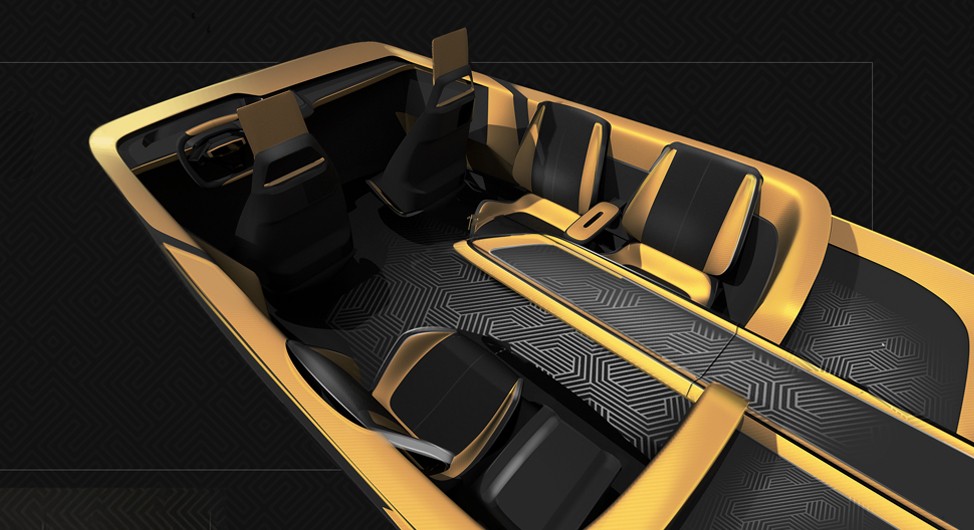
This project explored what full autonomy could mean for the future of vehicle ownership. Instead of a personal possession, the concept imagines a Level 5 vehicle as a shared, experience-driven tool—something people match with for events or activities. At the center is a morphable interior floor that adapts to whatever the moment requires.
I began by storyboarding the user journey to understand how people would move, interact, and reposition themselves within the space. That foundation helped define initial seating layouts and interaction zones.
3D Iteration
I used rapid 3D modeling to test use cases, refine spatial configurations, and visualize how the interior could shift in real time. Building these scenarios in 3D made it easier to experiment with different seating layouts, interaction zones, and floor morphing patterns. It also revealed opportunities—like unexpected social configurations or shared-use behaviors—that wouldn’t surface through sketching alone
Volvo Adventure Wagon
The Volvo Atlantic reimagines long-distance travel by pairing Level 4 autonomy with a space built for social interaction and comfort. Designed for Norway’s rugged terrain, it gives passengers a sense of exploration without the stress—making the journey as meaningful as the destination.
I began with loose concept sketches to explore the space, understand what was realistically possible, and identify which ideas pushed into pure fantasy—ultimately shaping an experience that fits the vision.
3D Modeling & Prototyping
Building on loose sketches, I refined the concept by exploring the form, proportions, and interior architecture—setting a clear visual direction and blueprint for the move into 3D.
Once in 3D, I developed the interior at a component level, defining seating themes, touch points, and control layouts. This stage enabled rapid physical prototyping and mock user setups, giving me deeper insight into ergonomics, spatial relationships, and real interaction behaviors.